

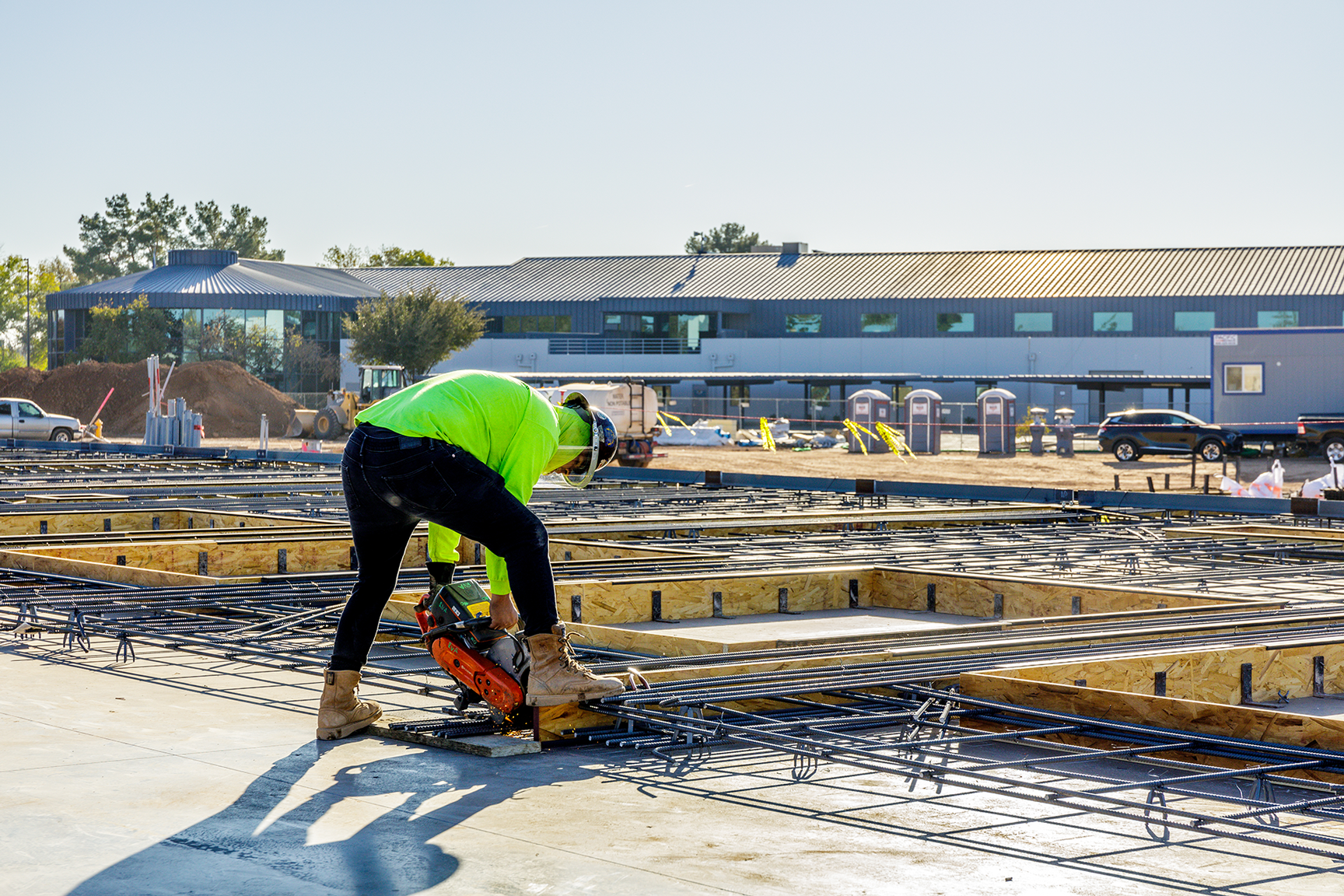
Construction laborers are the backbone of modern society. From the roads we drive on and the schools our children attend to the hospitals that care for us and the homes we live in, their work shapes the world around us. Every structure begins with skilled men and women willing to work through challenging conditions, transforming blueprints into lasting landmarks that serve communities for generations.
The history of construction labor in the United States reflects the broader story of the nation itself. During the 19th and early 20th centuries, much of the workforce was made up of immigrants from Ireland, Italy, Germany, and Eastern Europe who helped build railroads, bridges, factories, and growing cities. Following World War II, construction boomed as veterans returned home and suburban development accelerated. Over time, the industry became increasingly diverse, welcoming workers from many cultural and ethnic backgrounds. Hispanic and Latino workers have played a particularly significant role in recent decades, helping meet the demands of a rapidly expanding construction sector. At the same time, more women have entered the trades, bringing valuable skills and perspectives to an industry that was once overwhelmingly male.
Today’s construction laborers combine hard work with growing technical expertise. Modern job sites require knowledge of advanced tools, digital plans, precision equipment, and stringent safety standards. Laborers are no longer viewed solely as manual workers; they are trained professionals who contribute specialized skills to complex projects. Their adaptability has helped the industry meet the challenges of urban growth, infrastructure renewal, and evolving building standards.
Looking ahead, the future of construction labor has its own set of challenges to overcome. Retirements in the workforce, limited interest among young people and a demand currently outpacing the talent pool available has left many construction companies looking to find and retain labor. New technologies such as drones, robotics, artificial intelligence, and building information modeling are helping in some ways reduce the workload on an already strained workforce. These technologies aren’t replacing workers but rather creating innovative opportunities for laborers to develop new skills and take on higher-value responsibilities. As governments and private organizations invest in infrastructure, renewable energy facilities, and sustainable construction practices, demand for skilled labor is expected to remain strong.
The next generation of construction workers will likely be more diverse, more technologically proficient, and more highly trained than ever before. Yet the core values of the profession will remain unchanged: dedication, craftsmanship, teamwork, and pride in a job well done.
Labor has always been the backbone of support for the American economy. From Agriculture to Construction and beyond. Their hands have built the foundation of our communities, and their efforts have helped create a stronger, safer, and more prosperous United States.


