

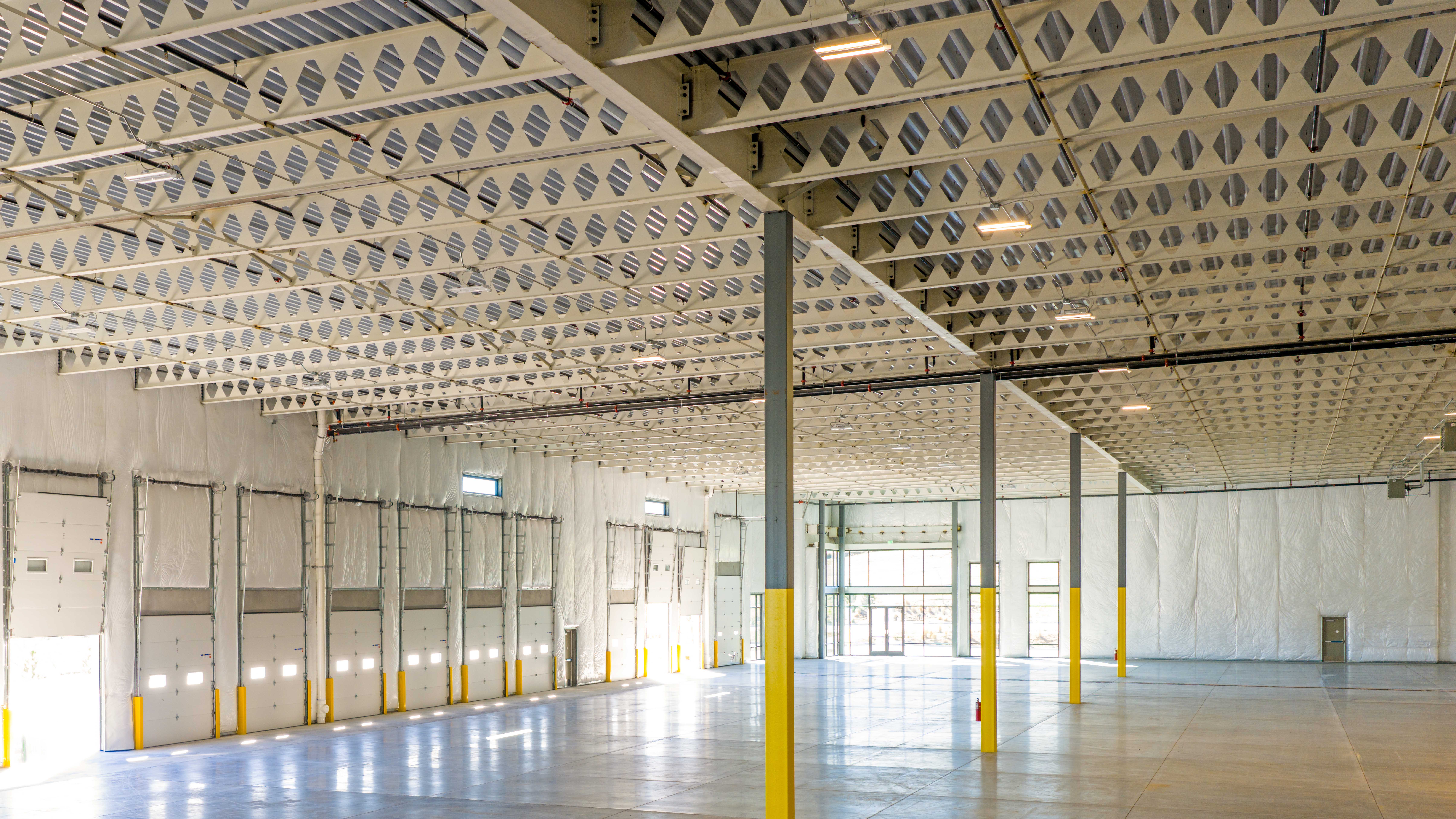
At Alcorn Construction, innovation often means looking at challenges from a differentperspective. Sometimes that involves adopting cutting-edge technology, andother times it means revisiting proven construction methods that are ready fora modern comeback. One solution that has become an important part of Alcorn’sapproach in recent years is the use of castellated beams.
While castellated beamswere originally developed in the early 1900s, they saw renewed interest duringthe COVID-era construction boom as material prices surged and the industrysearched for more cost-effective building solutions. During a 12-month span,steel prices nearly doubled, placing pressure on developers, contractors, andproject budgets across the country. Additionally, lead times for traditionaljoist and deck systems rose quickly and required early release to maintainprotect schedules where castellated was relatively available on demand. AlcornConstruction began exploring alternative structural systems that could maintainperformance while helping clients manage rising costs. That search led to apartnership with Next Level Steel.
Castellated beams offered a practical answer.
These specialized steel beams are created by cutting atraditional rolled I-beam along the web in a zigzag pattern. The two halves arethen separated and welded back together in an offset position, creating adeeper beam with a series of hexagonal openings throughout the web. The resultis a beam that increases structural depth and stiffness without requiringsignificantly more steel material.
The advantages go beyond structural performance. Theopenings within the beam allow mechanical, electrical, plumbing, and firesuppression systems to pass directly through the structure rather thanunderneath it. This creates valuable space savings and can reduce panel heightswhile maintaining clear heights. In many projects, that translates intoimproved efficiency, lower material usage, and more flexible building layouts.
Because castellated beams can also support longer spans,they reduce the need for interior columns in large open spaces. That makes themespecially beneficial for industrial facilities, warehouses, schools, gyms, andcommercial office buildings where open layouts are a priority.
At the same time, castellated beams require a highlycollaborative design and coordination process. Structural engineers,architects, steel fabricators, and MEP trade partners must work closelytogether early in design to ensure building systems align properly with beamopenings and structural requirements. Fire protection coordination is alsocritical, as penetrations and exposed steel conditions often require additionalplanning to meet code requirements and maintain system performance.
Alcorn Construction first implemented castellated beams during the COVID-era on projects such as Palm Gateway and Arista 36. What began as a response to supply chain challenges and rising steelcosts has since evolved into a long-term strategy for delivering value andefficiency to clients.
Today, castellated beams continue gaining popularity acrossthe construction industry, particularly in small-bay industrial projects andmodern commercial developments where maximizing space, reducing material costs,and improving coordination are increasingly important. As construction trendscontinue shifting toward smarter and more efficient building systems, Alcornremains committed to finding innovative solutions that help clients build forthe future while staying adaptable in a rapidly changing market.


